
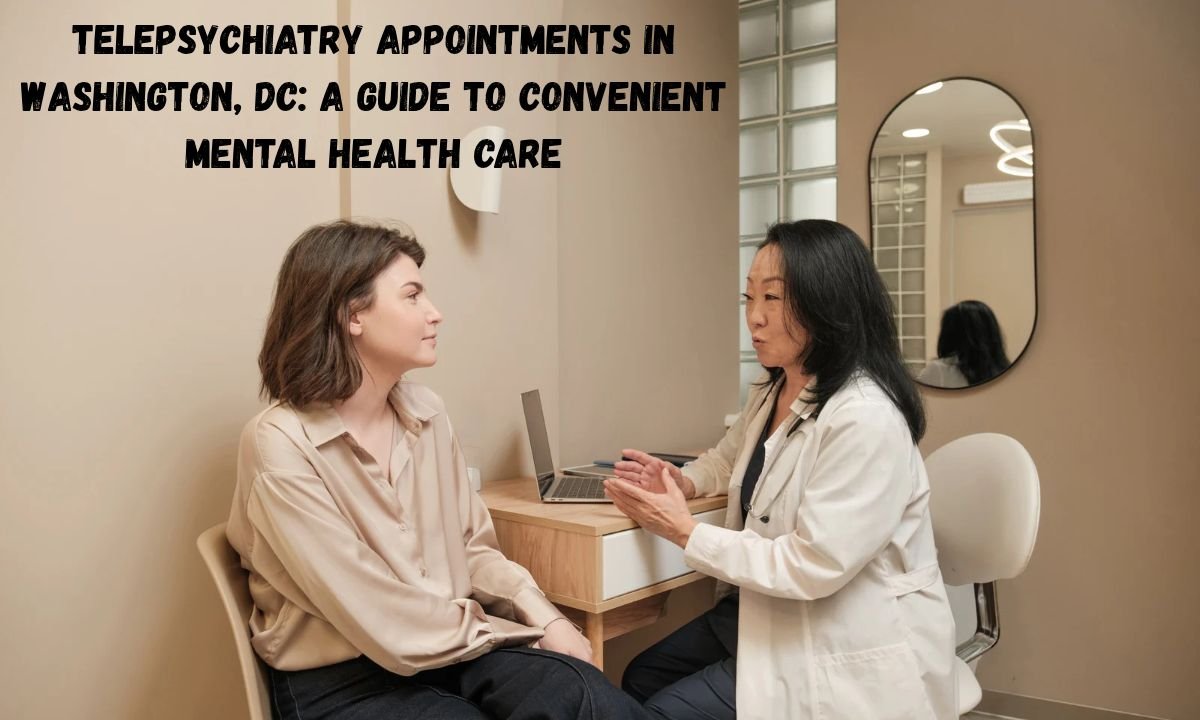
Getting mental health support does not always require travelling to a clinic. Telepsychiatry allows patients to connect with psychiatric providers through online appointments. These visits usually take place through secure video calls. From a private location, patients can discuss their concerns, share symptoms, and receive professional guidance.
Many people have busy schedules or face difficulties travelling for regular appointments. Those looking for telepsychiatry appointments in Washington, DC can contact Altitude Behavioral Care and Integrative Health to ask about available online psychiatric care. These appointments allow patients to discuss their mental health concerns from a private location. They can also receive professional guidance without travelling to a clinic.
Understanding how telepsychiatry works can help patients feel more comfortable with online care. From the first evaluation to medication reviews, each appointment has a purpose. Knowing what to expect can make it easier to prepare and communicate with a psychiatric provider.
How Telepsychiatry Appointments Work
Telepsychiatry allows patients to speak with psychiatric providers through digital communication. Most sessions use a secure video platform. Patients and providers can see and hear each other during the consultation. This makes it possible to discuss mental health concerns without meeting in the same physical location.
The process usually starts with scheduling an appointment. Patients may need to complete intake forms and provide information about their health history. At the scheduled time, they join the session using a phone, tablet, or computer. These online psychiatry appointments give patients an opportunity to discuss current symptoms, previous treatment, and their reasons for seeking support.
Patients should check whether their provider is authorized to treat people located in Washington, DC. Healthcare professionals must follow applicable licensing requirements and relevant standards of care. Patients should also confirm whether their situation is suitable for virtual treatment.
Who Can Benefit From Virtual Care?
Virtual psychiatric care may be useful for people who want easier access to mental health support. It can help those who have limited time for travelling or prefer attending appointments from home. Patients with busy work schedules may also find it easier to arrange online consultations.
People who may benefit from virtual care include:
- Busy Professionals
- Working Parents
- Remote Residents
- Regular Patients
- Travel-Limited Individuals
Online appointments can also support patients who need ongoing psychiatric follow-ups. They can discuss changes in their symptoms and ask questions about their treatment. Regular communication may help them stay connected with their provider between visits.
However, virtual care is not suitable for every patient or situation. Some concerns may require an in-person assessment or additional medical support. Patients experiencing urgent mental health difficulties may need immediate assistance rather than a routine online appointment. A provider can help determine the most appropriate level of care.
Understanding Online Psychiatric Evaluations
An online psychiatric evaluation is often an early step in understanding a patient’s mental health needs. During the appointment, the provider may ask about emotional symptoms, daily challenges, medical history, and previous treatment. These questions help build a clearer picture of the patient’s experiences.
Patients may be asked about changes in their mood, sleep, appetite, concentration, or behaviour. The provider may also discuss family history and current medications. It is helpful to answer these questions honestly. Sharing accurate information allows the provider to consider the patient’s circumstances more carefully.
After the evaluation, the provider may discuss possible treatment options. These could include further assessments, medication discussions, or regular follow-up appointments. The recommendations depend on the patient’s needs and clinical findings. An online evaluation does not mean every concern can be managed remotely. Additional in-person care may sometimes be necessary.
Medication Management Through Telepsychiatry
Medication management may be included in virtual psychiatric care when clinically appropriate. During these appointments, providers can review prescribed medicines and discuss how patients are responding to treatment. They may ask about symptom changes, medication routines, and any difficulties experienced since the previous visit.
Patients should share information about their current prescriptions. They should also mention vitamins, supplements, or other medicines they use. This helps the provider consider possible interactions and review the overall treatment plan. Patients can also discuss whether they have missed doses or experienced problems following their medication schedule.
Follow-up appointments provide an opportunity to discuss possible side effects and treatment progress. A provider may consider whether further monitoring or a treatment adjustment is needed. Any medication changes must follow professional guidance. Patients should not stop taking prescribed medication or change their dose without consulting their healthcare provider.
Privacy During Virtual Consultations
Privacy is an important part of online mental health care. Patients often discuss personal experiences, emotional concerns, and medical information during psychiatric appointments. They should feel comfortable sharing these details without unnecessary interruptions. Choosing a private location can make conversations easier.
Patients can take a few simple steps to protect their privacy:
- Private Room
- Secure Connection
- Headphones
- Updated Device
- Limited Distractions
Patients should also ask the provider which platform is used for virtual consultations. They can discuss how appointment information is stored and protected. It is reasonable to ask who may access their records and how their personal information is handled.
Healthcare providers must follow applicable privacy and confidentiality requirements. They must also meet security standards when delivering telehealth services in Washington, DC. Patients should understand the practice’s communication policies. This includes knowing how to contact the provider between appointments and what to do if a technical problem interrupts a session.
Exploring Online Psychiatry Options
Finding a suitable provider starts with understanding your mental health needs. Some patients may be looking for an initial psychiatric evaluation. Others may need regular follow-ups or medication management. Identifying the type of support needed can make the search more focused.
Patients considering telepsychiatry appointments in Washington, DC should check the provider’s professional credentials. They should also confirm the provider’s authorization to practice in the district. Patients can ask about available services and experience with their specific concerns. This helps them make an informed choice about their care.
It is also useful to confirm practical details before scheduling. Patients can ask about consultation fees, insurance coverage, appointment availability, and follow-up arrangements. They should check whether online psychiatry appointments use a secure video platform and whether in-person visits are available when needed. Clear answers can make choosing a provider easier.
Conclusion
Telepsychiatry offers another way to access psychiatric care in Washington, DC. Patients can discuss mental health concerns, complete evaluations, and review medication treatment through online consultations. Virtual care can also make regular appointments easier for people with busy schedules or travel difficulties.
Choosing suitable telepsychiatry appointments in Washington, DC starts with understanding personal needs. Patients should also check provider credentials. They should ask about privacy, costs, and follow-up arrangements before scheduling. With appropriate professional support, online psychiatry appointments can become a useful part of ongoing mental health care.