
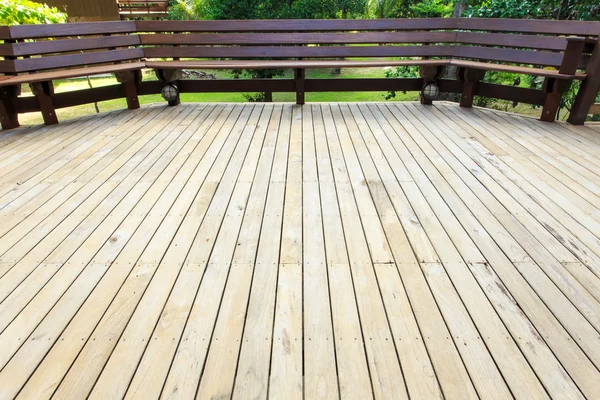
In recent years, the utilisation of timber wood decking has become a popular choice for those seeking to enhance the aesthetic value and functionality of outdoor spaces. The durable and natural appeal of wood makes it a preferable choice over other materials, especially in areas with consistent exposure to the elements. Timber wood decking, known for its versatility and charm, plays a significant role in various architectural designs. Specifically, selecting the appropriate type of timber can transform an ordinary outdoor area into a serene and welcoming environment. For instance, timber wood decking in Singapore is particularly favoured for its ability to endure tropical climates and add warmth to residential and commercial spaces alike.
Types of Timber Wood for Decking
Timber wood is available in an array of species, each offering distinct characteristics suitable for decking. The choice of timber often depends on factors such as durability, maintenance requirements, aesthetic preference, and budget constraints.
Hardwood Options
Hardwoods are renowned for their strength and longevity, making them an optimal choice for decking. Common hardwoods include:
Teak: Famous for its weather resistance and natural oils, teak remains a top choice for those seeking premium quality. It boasts a golden colour that ages to a silvery grey if left untreated, providing a natural elegance.
Iroko: Often used as a more affordable alternative to teak, iroko has similar characteristics and is appreciated for its durability and resistance to decay.
Cumaru: This South American hardwood is celebrated for its robustness and rich grain patterns, which enhance the visual appeal of any decking project.
Softwood Choices
While less durable than hardwoods, softwoods can be an economical alternative for decking:
Pine: Treated pine is commonly used due to its affordability and ease of installation. With proper treatment, pine can offer reasonable durability.
Spruce: Known for its pale colour and fine grain, spruce is lightweight and often used in residential applications where budget is a key consideration.
Benefits of Timber Wood Decking
Timber decking offers several advantages that make it a desirable option for homeowners and designers seeking to create sustainable and attractive outdoor areas:
Natural Aesthetics
The visual appeal of timber cannot be overstated. Its natural grain, warm tones, and the ability to blend seamlessly with gardens and landscapes make it an attractive option. Timber can complement a variety of architectural styles, from contemporary to traditional, enhancing the overall design of a property.
Environmental Impact
Timber is a renewable resource and, when sourced responsibly, has a lower environmental impact than synthetic materials. Timber production contributes less to carbon emissions when compared to the manufacture of composites, aluminium, or other decking materials. Choosing suppliers that adhere to sustainable forestry practices ensures that your decking choice supports environmental conservation efforts.
Durability and Longevity
Properly installed and maintained timber decking can last for decades. The natural resilience of certain timbers against rot, insects, and moisture elongates the life of the decking and reduces the need for frequent repairs. Regular cleaning and sealing can further enhance the strength and appearance of timber decks, adding to their durability.
Maintenance Requirements
While timber wood decking provides numerous benefits, it requires maintenance to retain its beauty and integrity. Routine care includes cleaning to prevent mould and mildew build-up, particularly in humid environments, and applying sealants to safeguard against moisture ingress and UV damage.
Installation Considerations
The installation of timber decking necessitates meticulous planning and execution to ensure its longevity and performance. Factors to consider include:
Site Preparation
Before installation, the site must be adequately prepared to ensure structural integrity and drainage. Poor site preparation can lead to water pooling, which can cause timber to warp or degrade over time.
Fasteners and Fixings
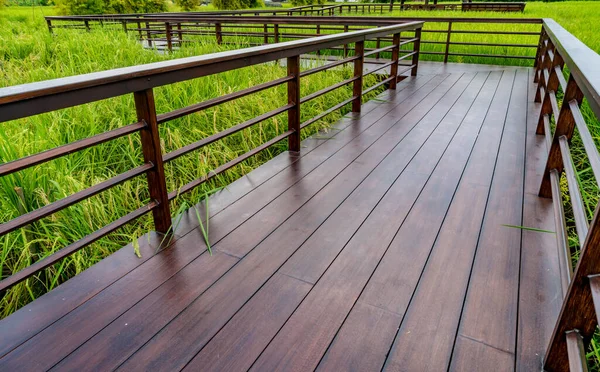
The choice of fasteners is critical in preventing rust and ensuring the stability of the decking boards. Stainless steel screws are recommended due to their resistance to corrosion. Concealed fastenings offer a clean finish without the distraction of visible nails or screws.
Design and Layout
The layout of the decking should consider the intended use, whether for entertainment, relaxation, or as a garden feature. Strategic planning in the arrangement of boards and incorporation of design elements like built-in seating and planters can optimise the deck’s usability.
Cost Implications
The cost of timber decking varies depending on the type of timber, the size of the area to be covered, and the complexity of the design. Though hardwoods present a higher initial investment, their longevity often makes them more cost-effective over time. Conversely, while softwoods might be cheaper initially, they may incur higher maintenance costs due to their susceptibility to wear and tear.
Conclusion
Timber wood decking continues to be a favoured choice for those seeking to elevate outdoor environments with aesthetically pleasing, durable, and sustainably sourced solutions. Each timber type offers unique benefits and requires consideration based on environmental conditions, budget, and design goals. Whether in the lush landscapes or urban settings, timber decks are instrumental in creating inviting spaces that encourage outdoor living.