
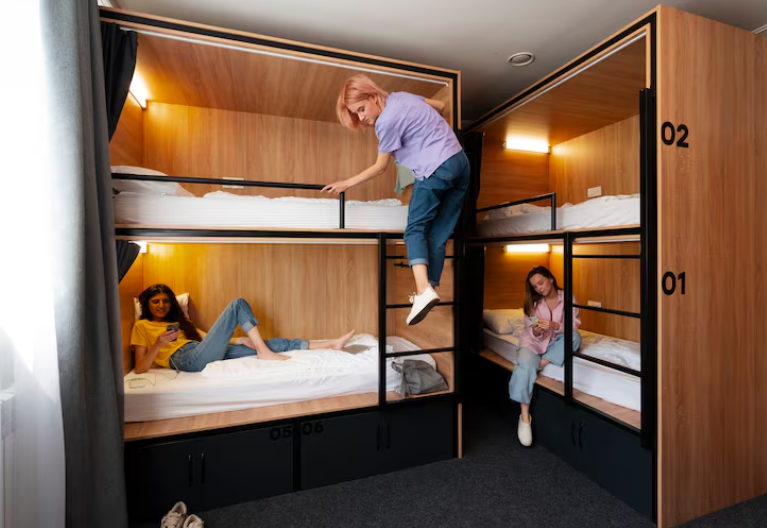
When it comes to making the most of limited space while maintaining creativity and functionality in bedroom design, bunk beds remain one of the most practical and enduring solutions. Their appeal has remained strong across generations, particularly in homes where shared bedrooms require smart space-saving ideas. Today, homeowners can choose from a wide range of versatile bunk bed options that combine comfort, style, and efficient use of available space.
Today, bunk beds are no longer just functional sleeping arrangements but also stylish furniture pieces that enhance modern interiors with innovative design and versatility.
The Historical Evolution of Bunk Beds
The concept of bunk beds can be traced back to early naval life, where sailors used stacked sleeping arrangements to maximise limited space aboard ships. This practical solution allowed for efficient use of confined areas while maintaining basic comfort. Over time, this idea transitioned from ships into residential homes, especially in households with multiple children sharing rooms.
As interior design evolved, bunk beds also transformed significantly. What was once a simple wooden structure has now become a thoughtfully designed furniture piece that blends practicality with aesthetics, catering to both children and adults in modern living environments.
Material Choices: Balancing Durability and Design
The materials used in bunk bed construction play an important role in determining both durability and appearance. Wooden bunk beds remain a popular choice due to their timeless look and strong structural integrity. Woods such as oak and pine are particularly valued for their durability and natural aesthetic appeal, making them suitable for long-term use.
Metal bunk beds, on the other hand, offer a more contemporary and minimalist appearance. They are often lighter in structure but still provide excellent strength and stability. The choice between wood and metal usually depends on personal preference, room design, and long-term usage needs, with both options offering reliable solutions for modern homes.
Innovative Designs for Modern Living
Modern bunk beds have evolved far beyond the traditional stacked twin design. Today’s options include L-shaped configurations, loft-style beds, and multi-functional units that incorporate desks, wardrobes, or storage compartments. These designs are especially useful in urban homes where space optimisation is essential.
Some bunk beds even integrate study areas underneath, allowing children to combine rest and learning within the same compact space. Additional features such as built-in drawers and shelving units help maximise storage, making these designs highly practical for families looking to reduce clutter while maintaining a stylish bedroom environment.
Safety Considerations in Bunk Bed Designs
Safety is one of the most important aspects when selecting bunk beds, particularly for children. Modern designs incorporate a range of safety features such as sturdy guardrails, secure ladders, and reinforced frames to prevent accidents. These elements are essential in ensuring a safe sleeping environment.
Manufacturers also ensure that bunk beds meet established safety standards, including weight capacity and structural stability. Non-toxic finishes are commonly used to ensure that the furniture remains safe for long-term indoor use. Parents are encouraged to choose certified products to ensure maximum safety and peace of mind.
Flexibility in Configurations
One of the key advantages of modern bunk beds is their flexibility. Many designs are convertible, allowing them to be separated into individual beds when needed. This adaptability makes them a long-term investment, especially as children grow and room requirements change.
Some models also offer adjustable configurations that can be restructured based on space availability. This flexibility ensures that the furniture remains useful even when household needs evolve, making bunk beds a practical choice for growing families.
Customisation and Personalisation
Personalisation has become an important aspect of modern bunk bed design. Families now have the option to customise colours, finishes, and additional features to match their interior themes or children’s preferences. This allows bunk beds to become more than just functional furniture, transforming them into personalised living spaces.
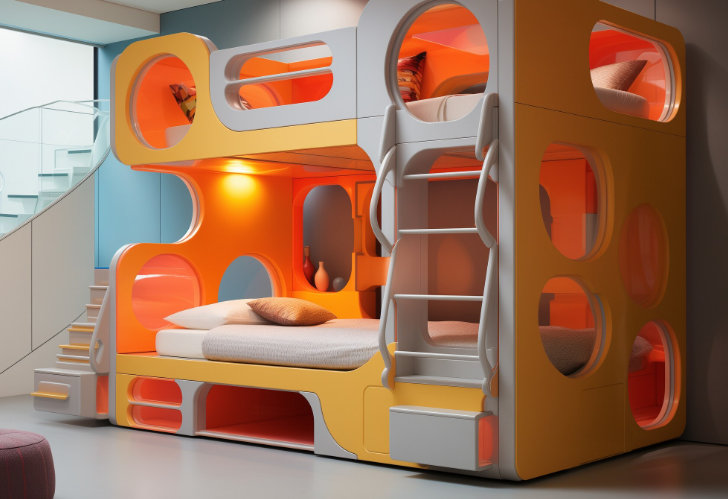
Some manufacturers also offer modular additions such as slides, themed panels, or decorative elements that make the bed more engaging for children. These custom features enhance creativity and allow the bedroom to reflect individual personality and style.
Environmental Considerations
Sustainability has become an important consideration in furniture production, and bunk beds are no exception. Many manufacturers now focus on using responsibly sourced wood and environmentally friendly production methods. This helps reduce environmental impact while promoting sustainable living practices.
Non-toxic paints and adhesives are also commonly used to ensure healthier indoor air quality. These eco-friendly approaches reflect a growing awareness among consumers who prefer furniture that aligns with environmentally responsible values.
Trendspotting: What’s Popular Now?
Current bunk bed trends reflect a strong focus on functionality combined with modern aesthetics. Many designs now include integrated lighting systems, USB charging ports, and smart storage solutions to support today’s digital lifestyle. These features make bunk beds more practical and convenient for everyday use.
In terms of design style, both vibrant and neutral themes are popular. Bright colours and playful designs are often chosen for children’s rooms, while minimalist and monochrome styles are preferred for more versatile or long-term use. These evolving trends demonstrate how bunk beds continue to adapt to changing lifestyle needs.
Conclusion
The world of bunk beds showcases a perfect balance between practicality, creativity, and modern design innovation. From their historical origins in compact living spaces to their current role as multifunctional furniture pieces, bunk beds have continuously evolved to meet the needs of contemporary households.
With a wide range of materials, designs, and customisation options available, they remain a highly adaptable solution for space-saving living. Whether prioritising safety, style, or functionality, bunk beds continue to offer an effective and stylish way to enhance bedroom spaces, making them a lasting feature in modern interior design.